
Category: Articles
-

Digital Inventory: How 3D Printing Turns Obsolete Parts Into On-Demand Production
A production line can be stopped by a part that costs less than a dinner for two. The machine itself might be worth hundreds of thousands of dollars, but a small plastic bracket, guide, adapter, or fixture can bring the entire operation to a halt. The problem gets worse when that part was injection molded…
-
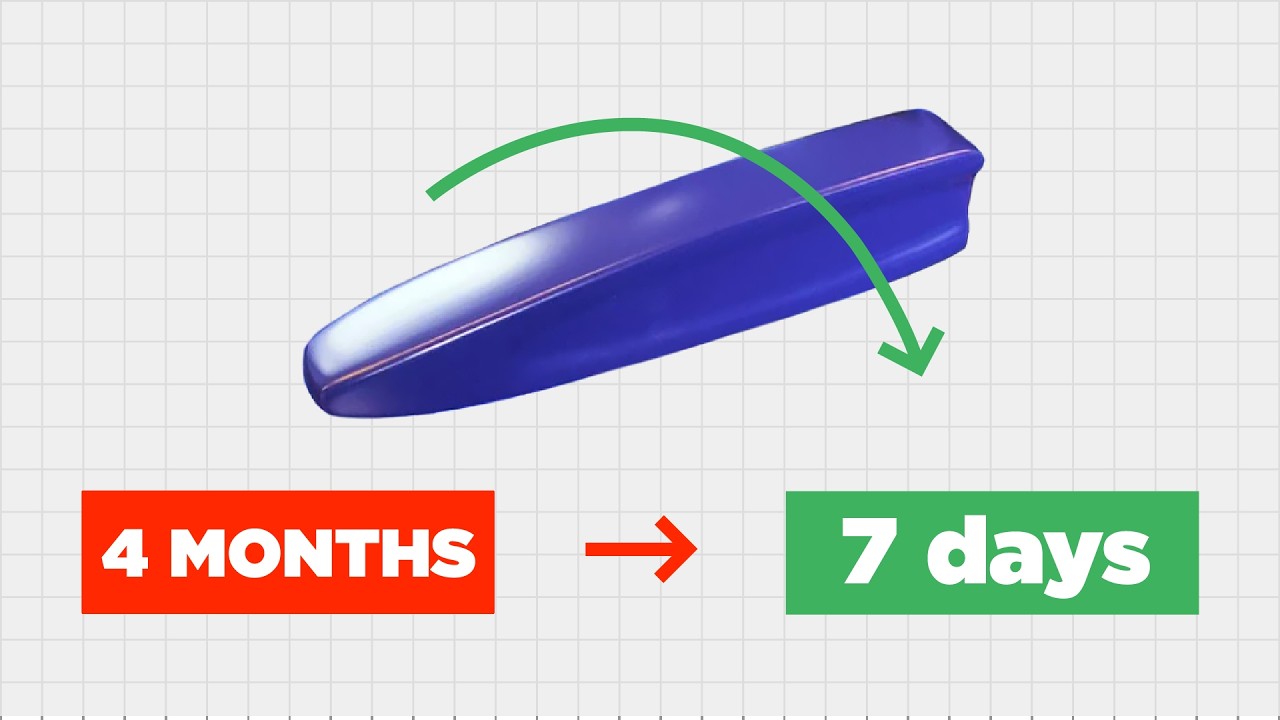
On-Demand 3D Printing: Solving the Obsolete Spare Parts Crisis
In 2015, Deutsche Bahn got into 3D printing and printed a coat hook. It was a simple plastic component, hardly the kind of part that gets anyone excited about advanced manufacturing. Ten years later, that simple experiment had evolved into more than 200,000 3D printed parts across more than 1,000 applications. Headrests, fan wheels, lamp brackets,…
-

Why Air-Gapped 3D Printers Matter for Defense, Government, and Secure Manufacturing
A modern industrial 3D printer is more than a machine tool. It is a computer that receives, stores, processes, and executes digital manufacturing data. That distinction matters when the parts being printed involve defense programs, controlled information, sensitive intellectual property, or mission-critical applications. It may need to be air-gapped. In secure facilities, the first question…
-
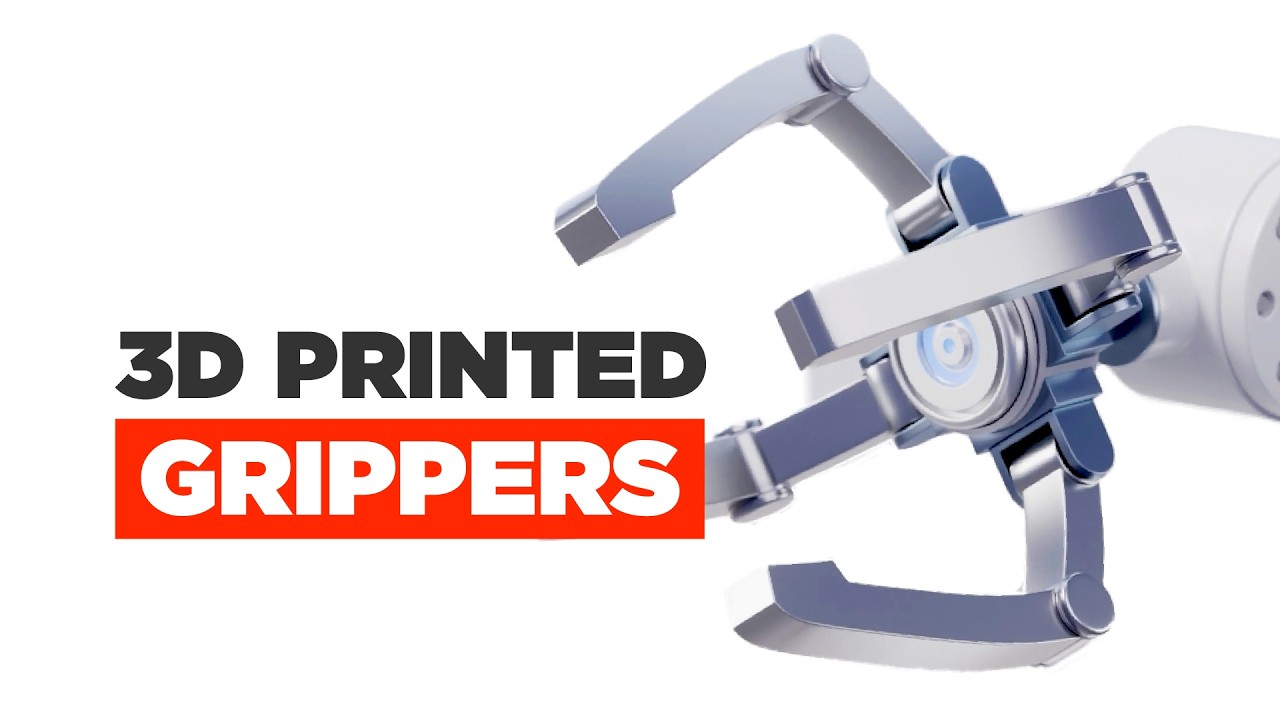
End-of-Arm Tooling: The Proven Industrial 3D Printing Application
When a robotic gripper breaks, the real cost is rarely the gripper itself. The expensive part is the production line that stops while a replacement is designed, machined, assembled, and delivered. Industrial 3D printing is changing that equation by allowing manufacturers to produce custom robotic tooling in hours instead of weeks. What Is End-of-Arm Tooling…
-
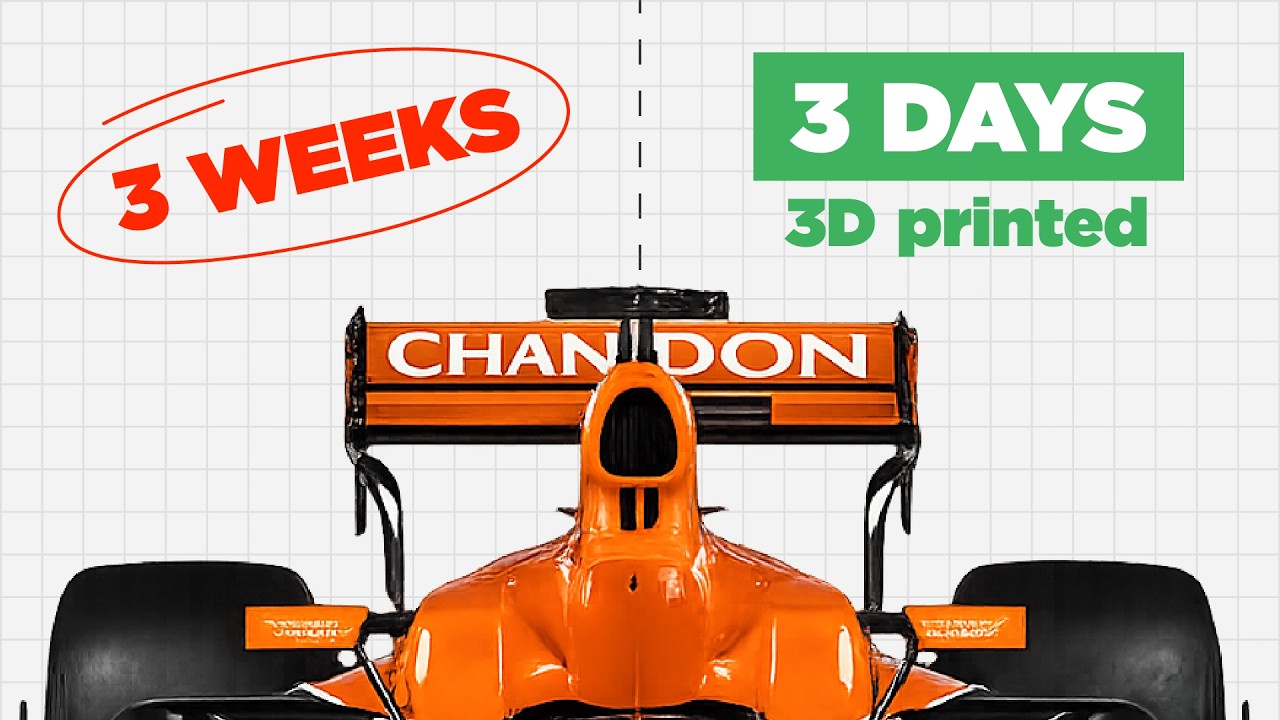
How Formula 1 teams actually use 3D printing
How Formula 1 teams actually use 3D printing The interesting parts are not on the Formula 1 car. They are the tools, cores, and models that let a team test more ideas per week than the team next door. Here is what gets printed, in which polymers, why those polymers, and which of the widely…
-

Why Railway Operators Are Replacing Obsolete Spare Parts with Additive Manufacturing
If you want to understand where industrial additive manufacturing delivers measurable business value, railway maintenance is one of the strongest examples. The technology is not replacing mass production. Instead, it solves a problem that conventional manufacturing was never designed to handle: supporting fleets that remain in service for decades after their original supply chains have…
-
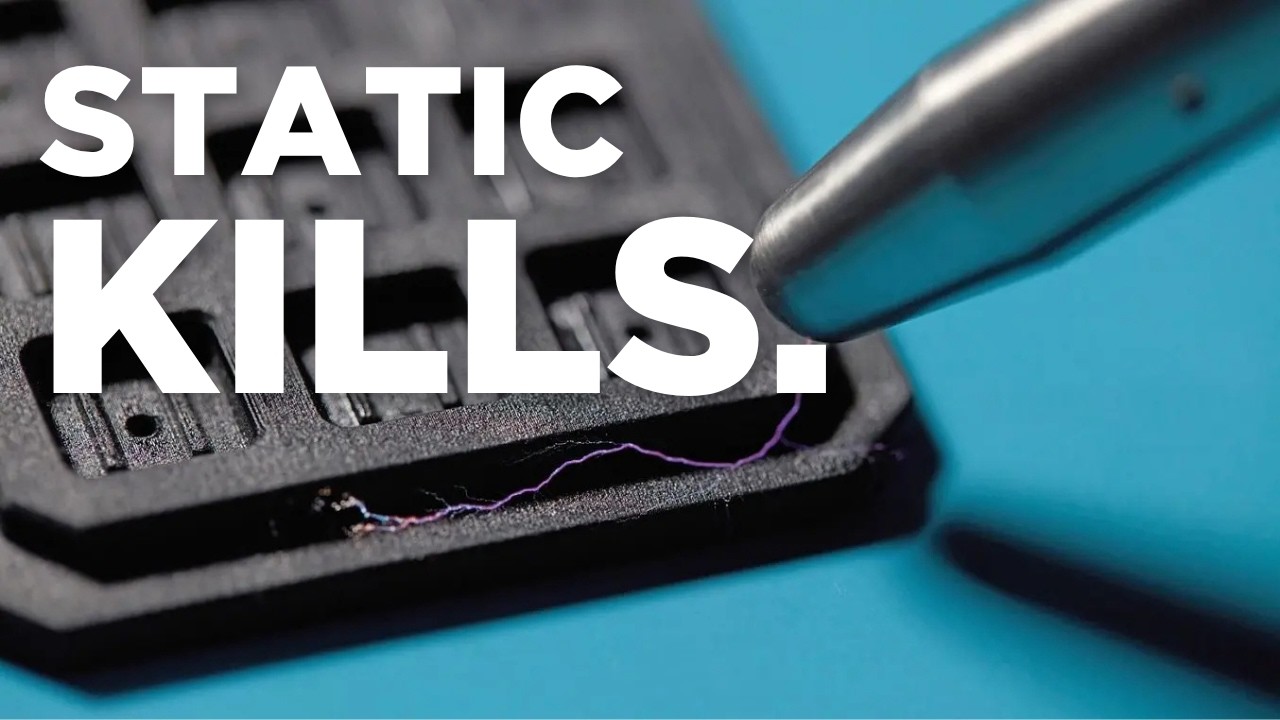
ESD-Safe Plastics and 3D Printing: What Engineers Actually Need to Know
Most people never notice static electricity until they feel a small shock from a doorknob. What many don’t realize is that those tiny zaps or Electrostatic discharge (ESD) can involve thousands of volts. Meanwhile, modern electronic components can be damaged by voltages that are far too small for humans to detect. This invisible threat has…
-
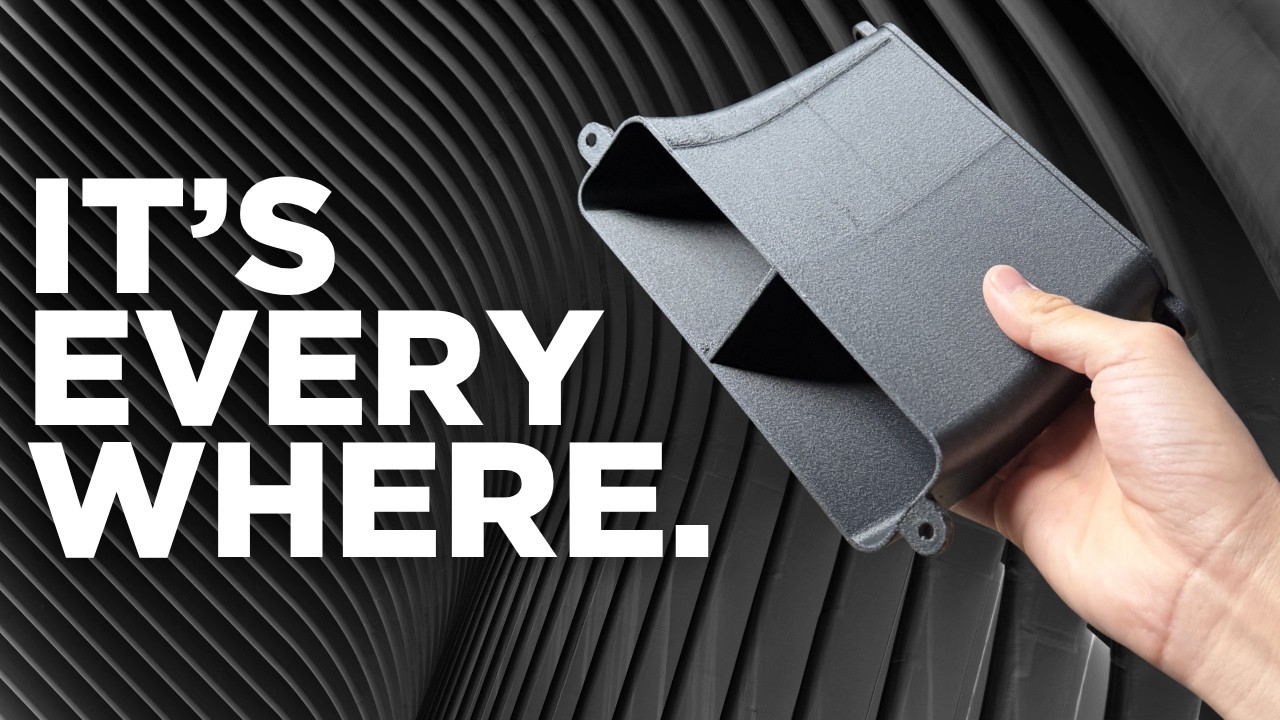
How a Billion-Dollar Patent War Created Nylon 6
From toothbrush bristles to aerospace components, nylon has become one of the most important engineering materials ever developed. Yet one of the biggest success stories in polymer science began with a clever patent workaround that ultimately transformed manufacturing around the world. The Race to Replace Silk in the 1930s During the 1930s, silk dominated the…
-

How ULTEM 3D Printing Is Rewriting the Rules of CubeSat Design
Launching hardware into orbit has always been expensive, but the economics of modern spaceflight are making lightweight engineering more important than ever. With launch costs approaching $7,000 per kilogram on rideshare missions, every gram matters. That reality has pushed aerospace engineers toward industrial additive manufacturing, where high-performance thermoplastics are helping redefine how CubeSat components are…
-
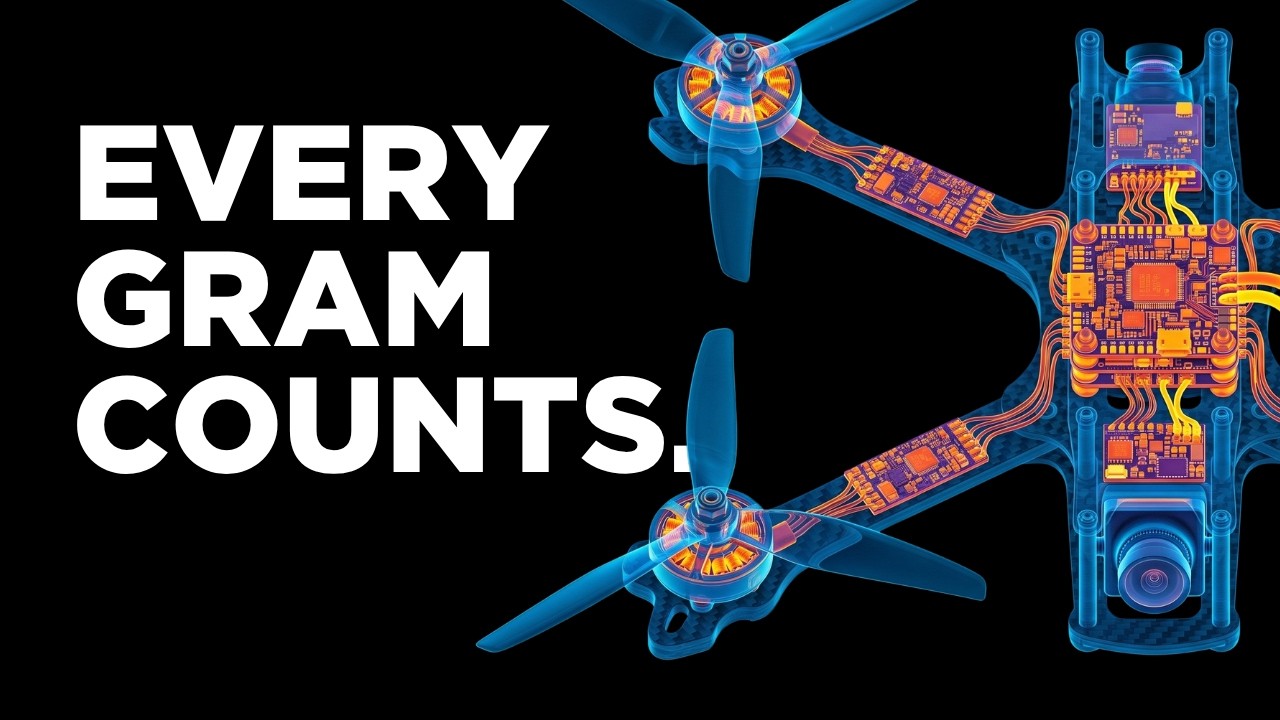
How 3D Printing Is Winning the Drone Industry’s War Against Weight
Since the earliest days of aviation, every aircraft including drone crafts has operated under the same equation: lift versus weight. Every fastener, bracket, overlap, and unnecessary gram reduces flight time, payload capacity, and range. For more than a century, aerospace engineers have fought this battle one gram at a time. Today, additive manufacturing is changing…
-
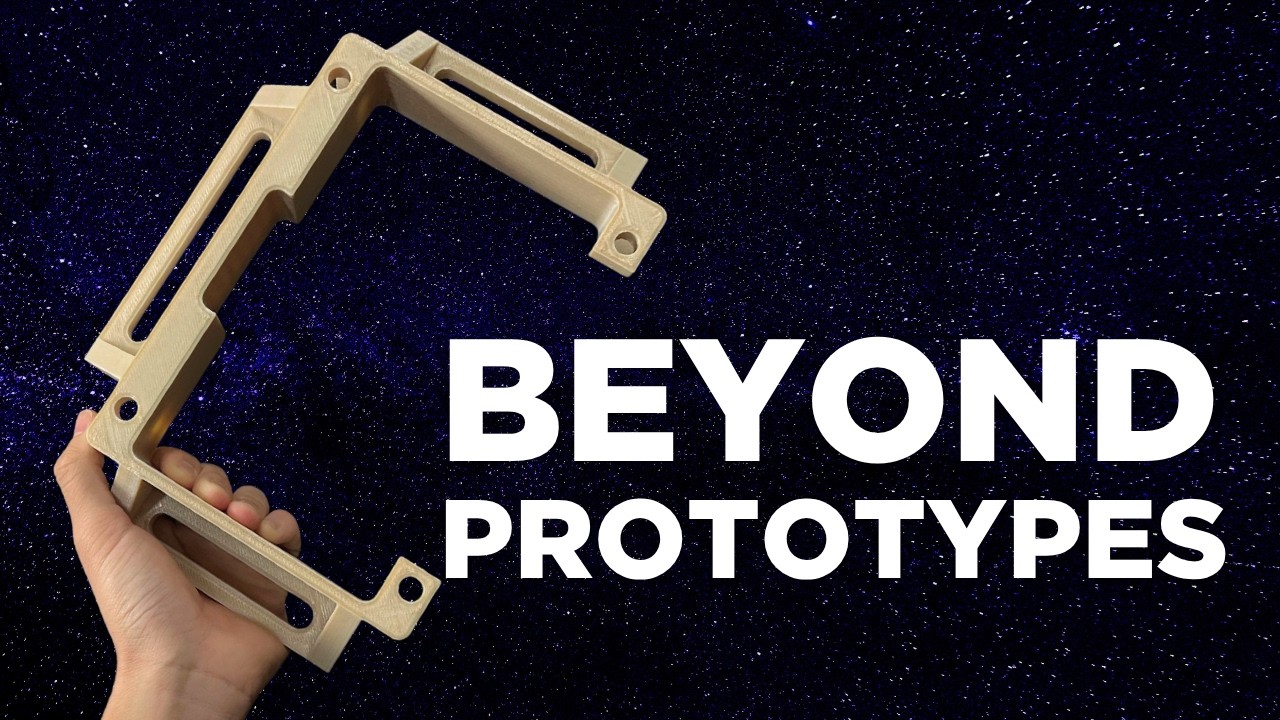
Why ULTEM™ PEI Changed Industrial 3D Printing: A Brief History
In the late 1970s, GE Plastics invested roughly $50 million into developing a single polymer. Adjusted for inflation, that represents nearly a quarter of a billion dollars spent on one material. The result was ULTEM™ polyetherimide (PEI), a high-performance engineering plastic that would eventually become indispensable in aerospace, medical devices, and industrial manufacturing. Today, ULTEM…
-
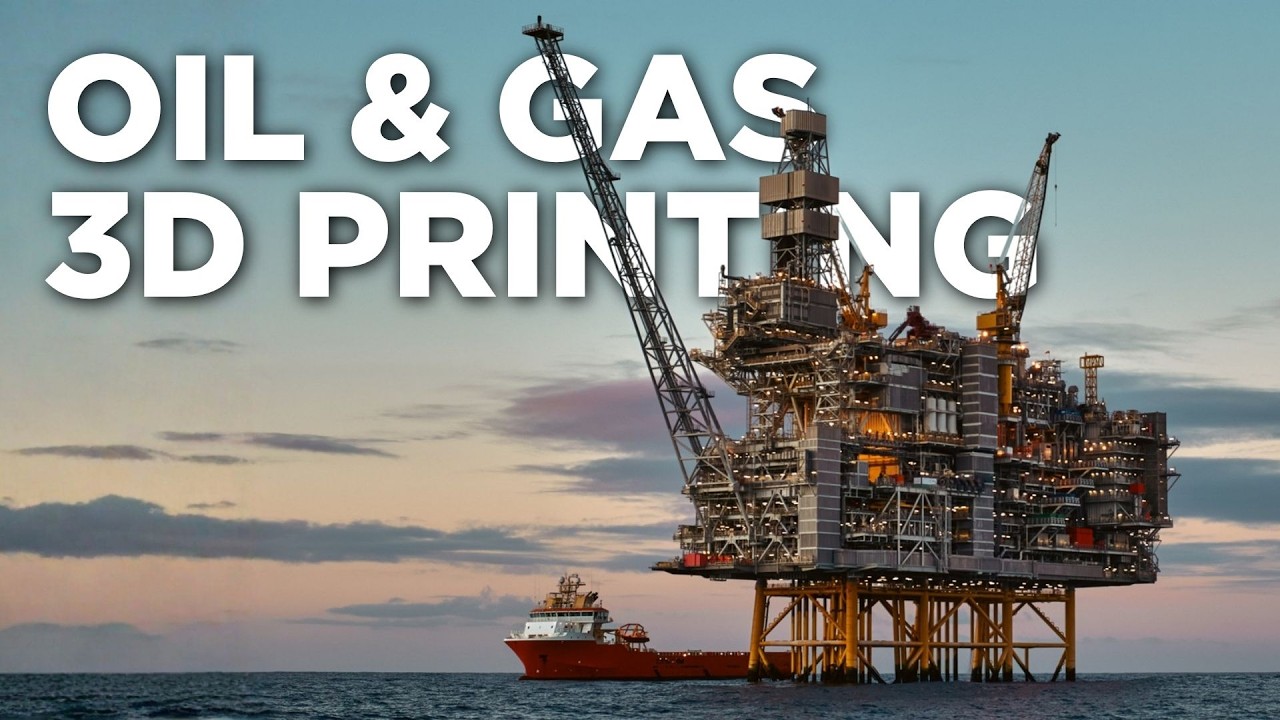
Oil & Gas Downhole Success: Why 3D Printed PEEK Parts Are the New Standard
The future of additive manufacturing in oil and gas is no longer experimental. High-performance polymers like PEEK are moving from research labs into critical field applications where components must survive extreme temperatures, crushing pressures, and harsh chemical environments. Why a Small Backup Ring Can Make or Break an Oilfield Operation Imagine a component no larger…
-
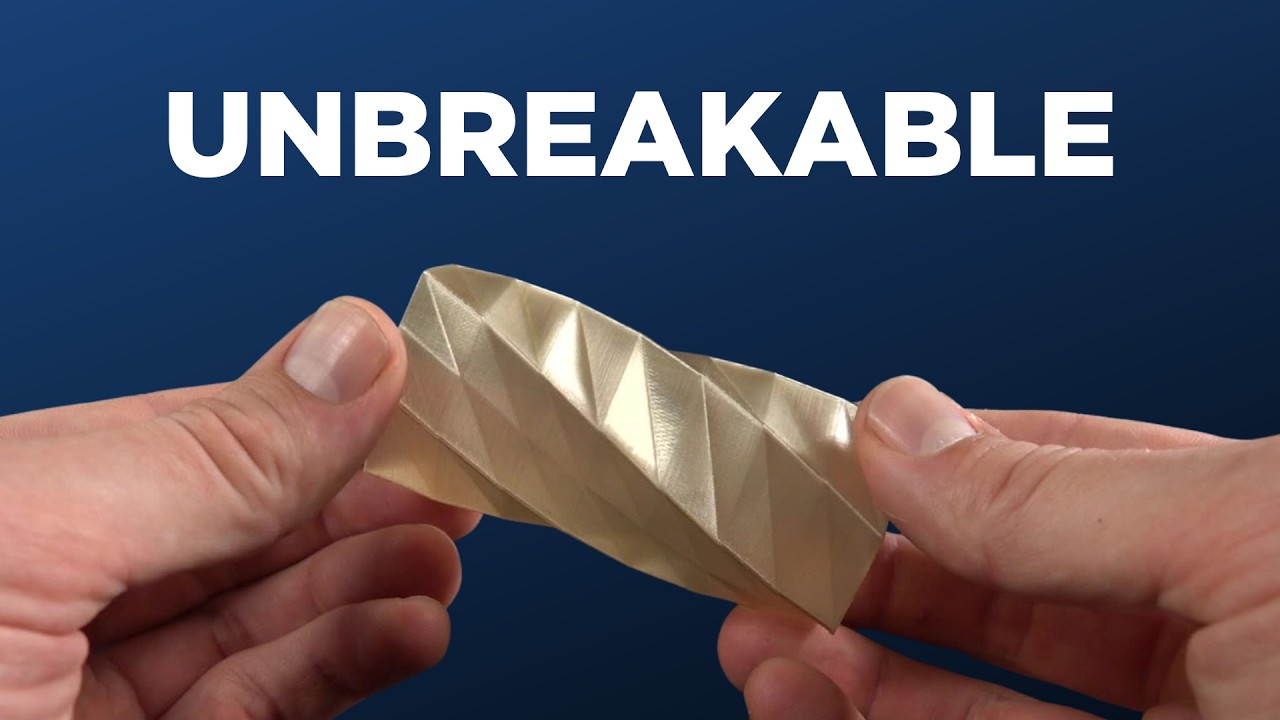
What is PPSU Plastic? Properties, Uses & Benefits
Most plastics fail quickly when exposed to extreme heat, pressure, and chemicals. Put them through repeated steam sterilization cycles and they warp, crack, discolor, or completely fall apart. But one material keeps showing up in environments where failure simply is not acceptable: PPSU. Polyphenylsulfone, better known as PPSU, has become one of the most important…
-

NASA’s Orion Spacecraft Now Flies Nearly 200 3D Printed Parts
In just over a decade, NASA’s Orion spacecraft program has transformed additive manufacturing from a small flight experiment into a major part of spacecraft production. Orion’s first flight test in 2014 carried only four 3D printed components. Artemis I, the uncrewed lunar mission launched in 2022, reportedly flew with more than 100 additively manufactured parts.…
-
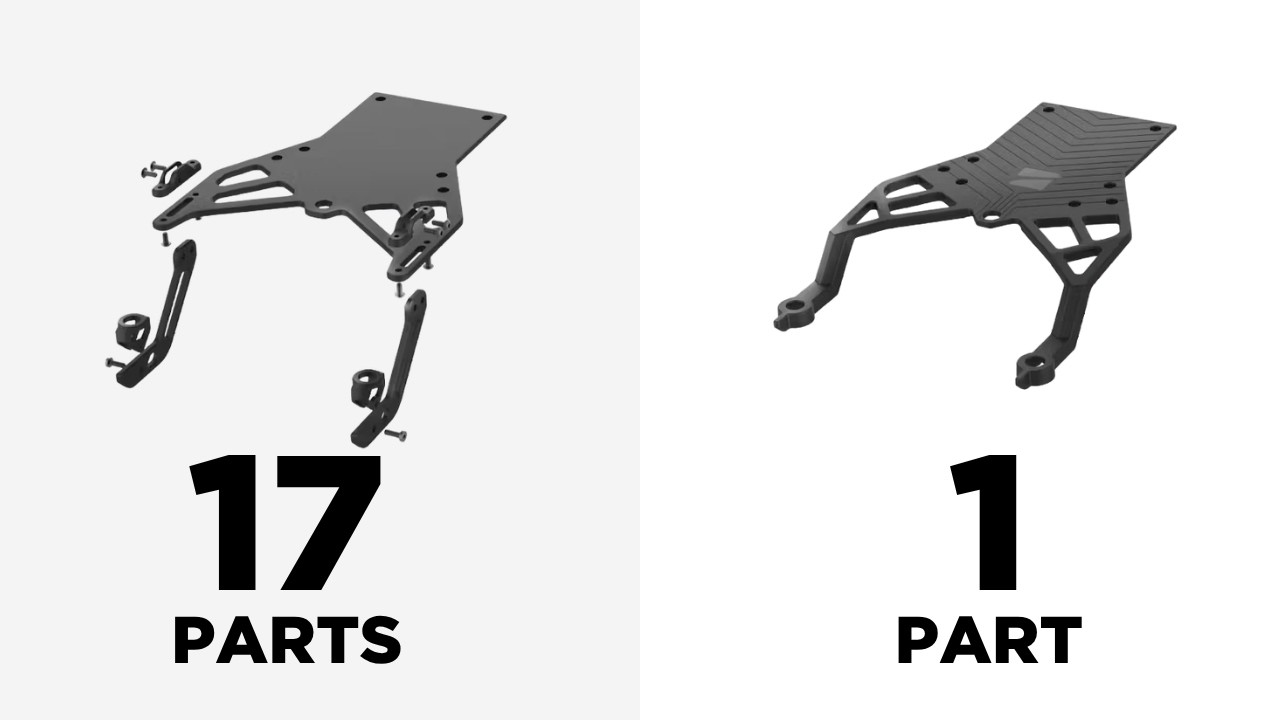
How 3D Printed Drones Are Reshaping Modern Manufacturing and Warfare
For more than a century, military manufacturing followed the same blueprint: giant factories, centralized supply chains, specialized tooling, and production cycles measured in years. That model is now being disrupted by something radically different. Desktop 3D printed drones. The Rise of the Decentralized Military Factory Across Ukraine, thousands of consumer-grade 3D printers are operating continuously…
-
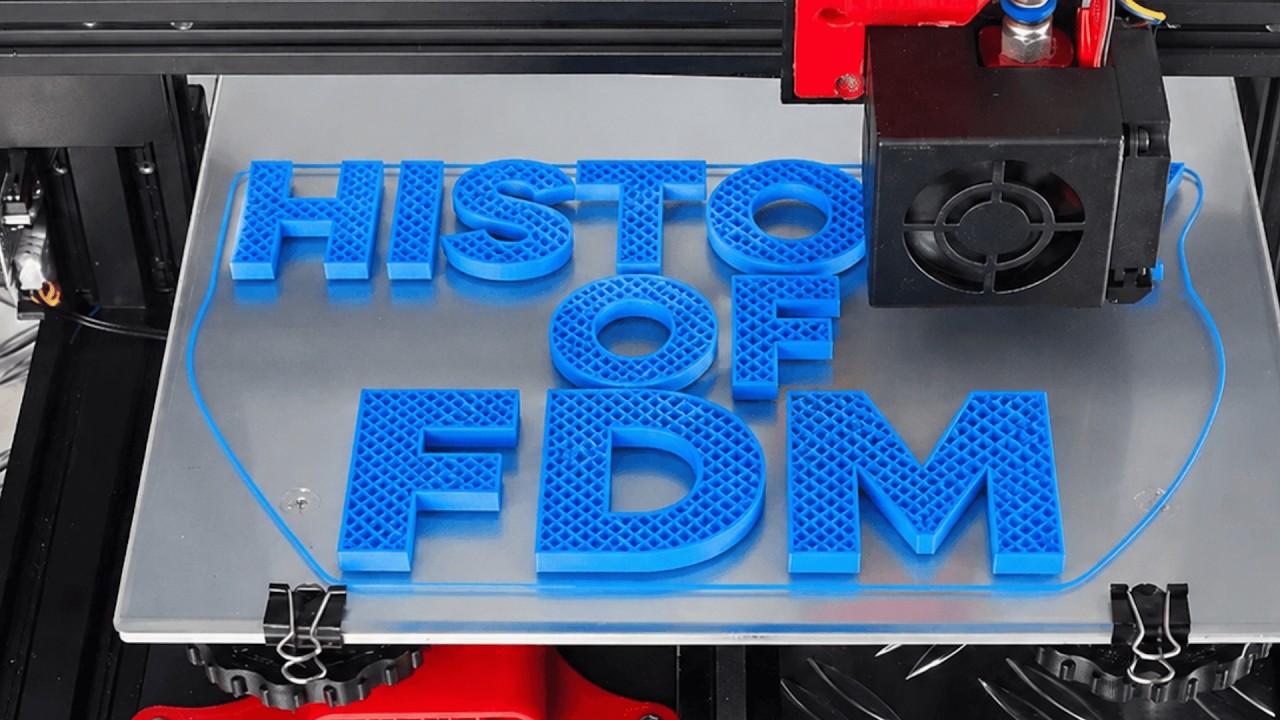
A History of FDM 3D Printing: The Glue Gun That Changed Everything
Every FDM 3D printer in existence today traces its roots back to one surprisingly simple experiment in 1988. What started as a homemade toy frog built layer by layer with a glue gun eventually became the foundation of modern additive manufacturing. How FDM 3D Printing Was Invented In October 1988, an engineer in Minneapolis was…
-

Scaling 3D Printing in Defense: From a 75-Cent Part to a $2.6 Billion Strategy
The 75-Cent Breakthrough That Changed Defense Manufacturing A single 3D printed component for an F-35 fighter jet, costing just $0.75, replaced what would have required a $70,000 assembly. The part was designed, approved, and installed in days, getting the aircraft back in operation almost immediately. This moment highlights a powerful truth: additive manufacturing is no…
-
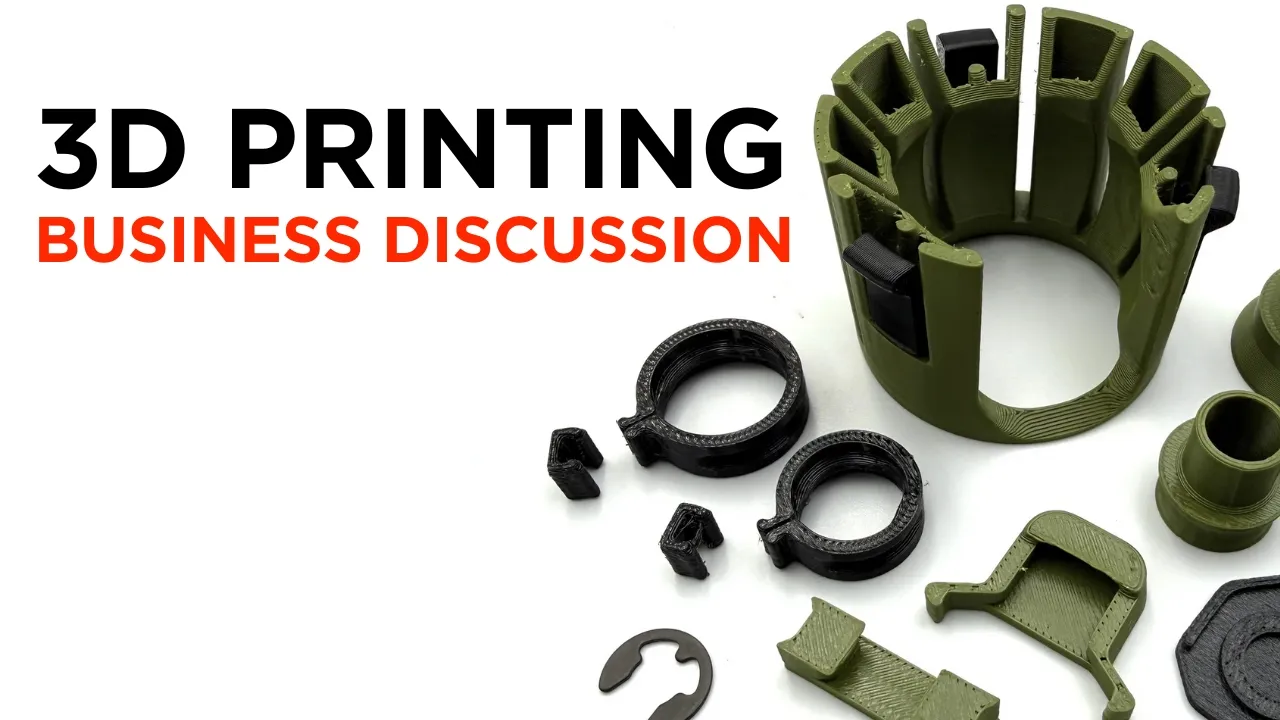
3D Printed Products in Industry: Practical Innovation, Customization, and What Comes Next
3D printing has quietly crossed a threshold. 3D Printed Products what once felt experimental is now showing up everywhere from coffee shops and holiday markets to engine bays, dashboards, and industrial production floors. Additive manufacturing is no longer just a prototyping tool; it’s becoming a legitimate way to design, produce, and sell real-world products. The…
-
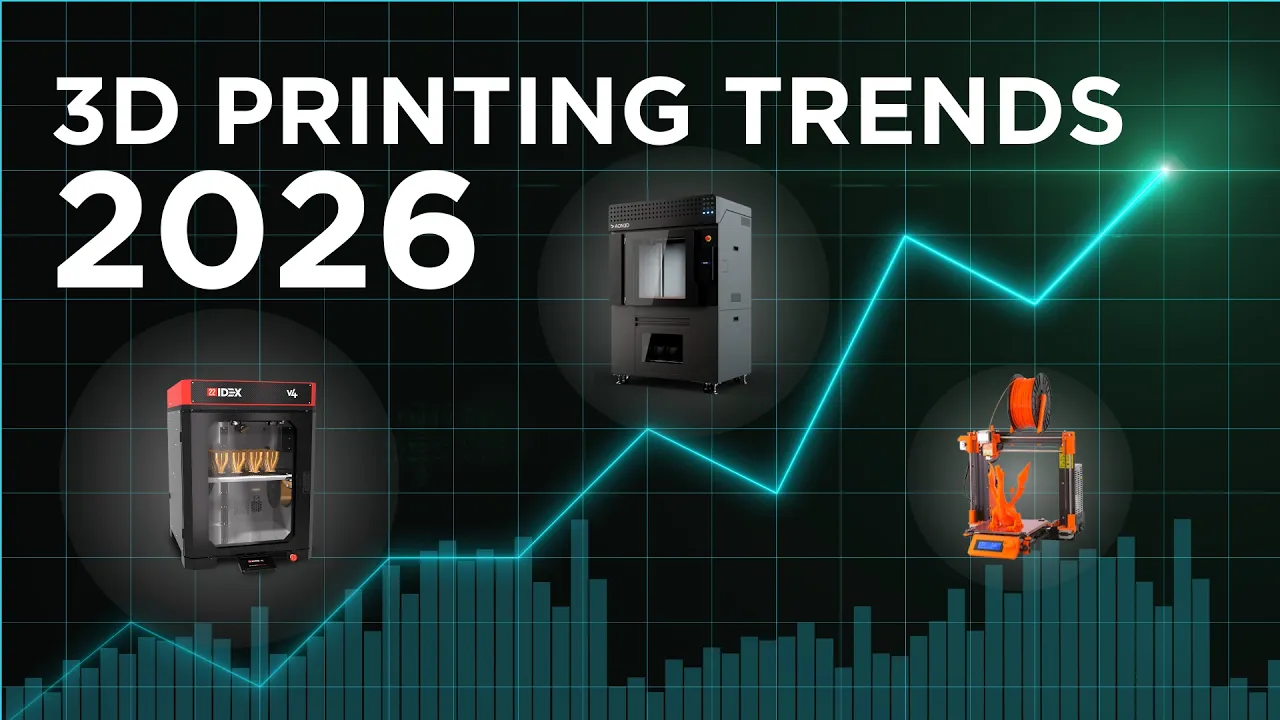
Additive Manufacturing in 2026: From Novelty to Production Reality
Additive manufacturing has officially crossed a threshold. As we move into 2026, 3D printing is being judged by the same standards as traditional manufacturing. And that shift changes everything. The Additive Manufacturing Market Is Growing—But That’s Not the Real Story The global additive manufacturing market reached roughly $21.9 billion in 2024, with year-over-year growth hovering…
-
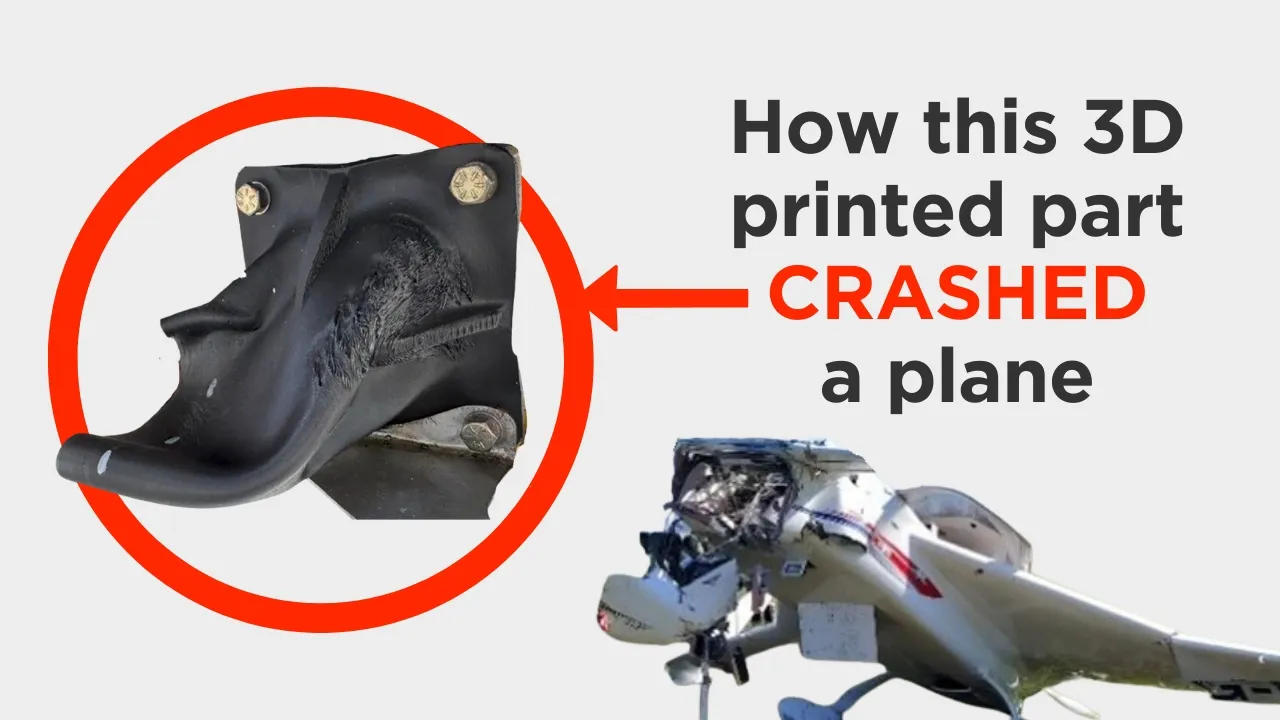
The Airplane Crash No One Should Ignore
Imagine your life depending on a piece of plastic with about the same heat resistance as a fast-food straw. That’s not a thought experiment—it’s exactly what happened when a single 3D printed component failed and caused an airplane crash on final approach. The Incident: Airplane Engine Failure at 500 Feet A highly experienced pilot, with…